
Add purposeful mobility work to improve exercise comfort, movement confidence, and daily flexibility.
Mobility is usable movement
Flexibility refers broadly to how far a muscle and joint can move, while mobility involves controlling movement through a comfortable range. Training mobility can help you practice positions used in squats, presses, lunges, and daily tasks. It does not require extreme stretching or unusual poses.
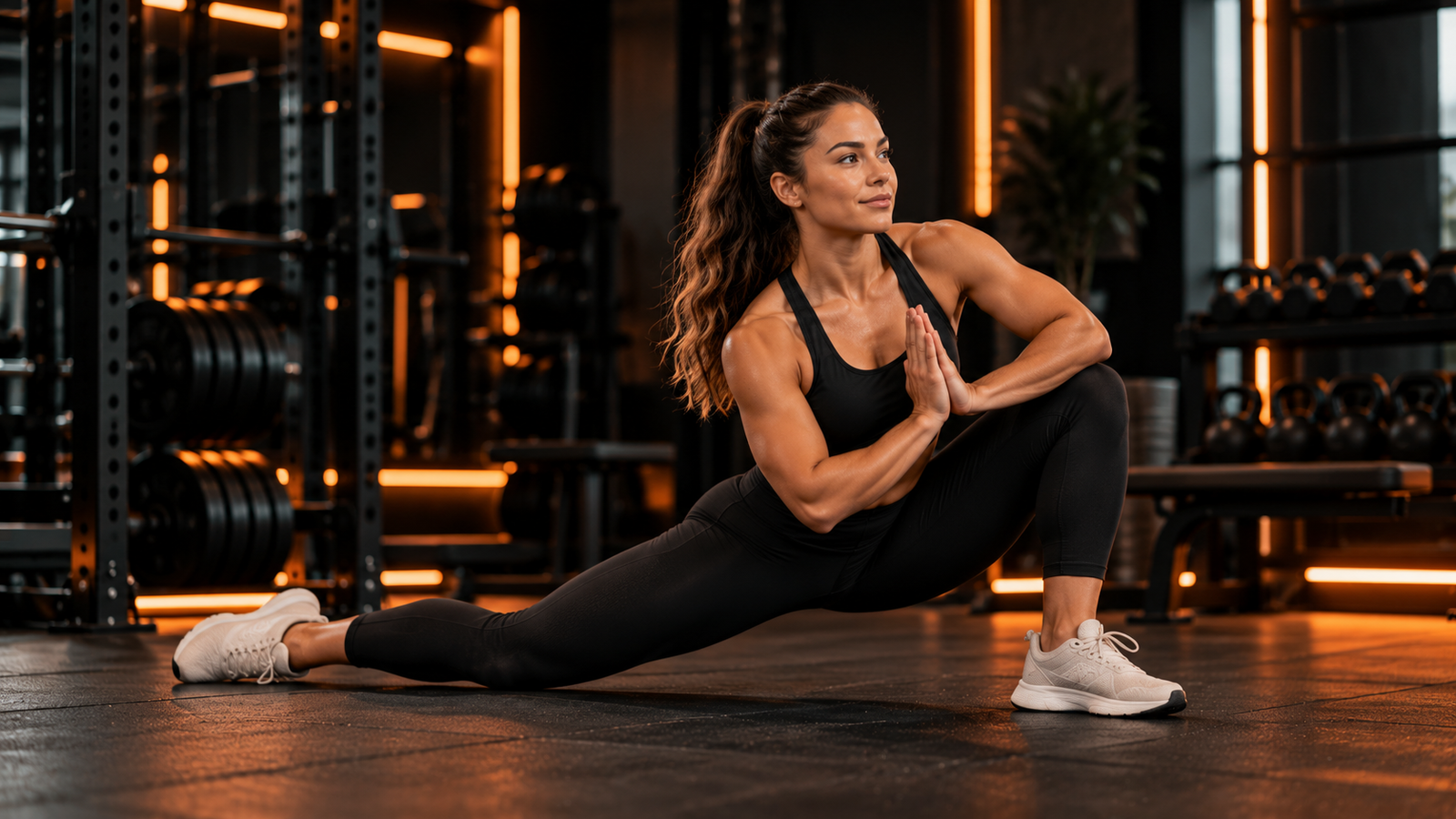
Begin with the movements you need
If squats feel restricted, explore controlled ankle and hip movements. If reaching overhead feels awkward, try gentle shoulder and upper-back mobility. Use slow repetitions instead of forcing a stretch. Work within a comfortable range and watch whether the movement becomes smoother over time.
A five-minute warm-up
Before a training session, try an easy walk or cycle followed by a handful of controlled drills: ankle rocks, hip hinges, body-weight squats, upper-back rotations, and shoulder circles. The goal is to prepare for your planned session, not to become fatigued during the warm-up.
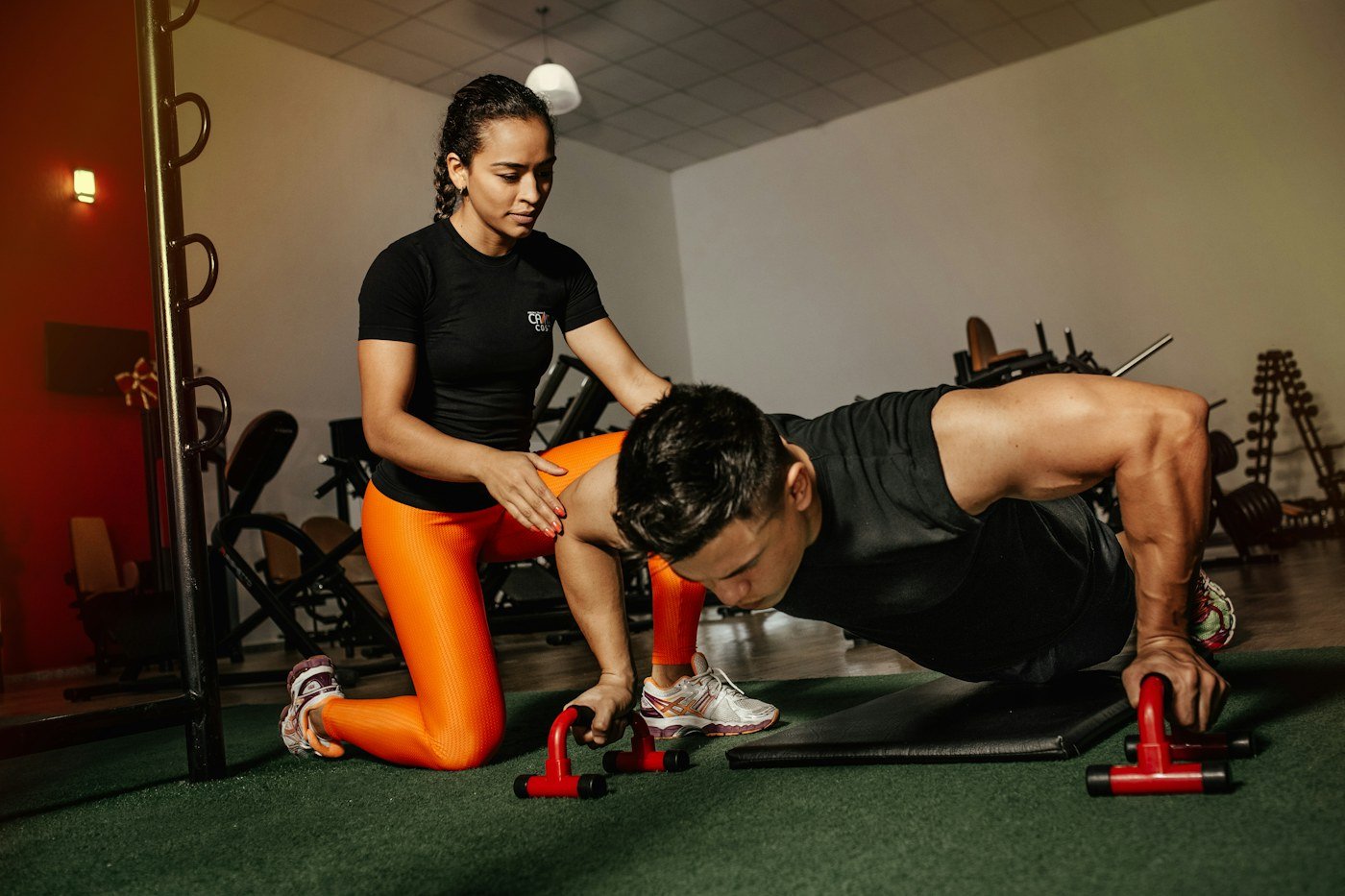
Build control with strength
Many exercises already develop mobility when performed through a suitable range with good technique. Goblet squats, split squats, rows, and controlled presses can combine strength and movement practice. You may not need a separate hour of stretching. A few focused minutes repeated regularly can be valuable.
Know when to adapt
Mobility work should not be a test of pain tolerance. Avoid pushing sharply into joint pain, and ask an appropriately qualified professional if a movement causes ongoing discomfort or if you are recovering from an injury. The best routine is specific, gentle enough to repeat, and connected to what you actually want to do.